Frequently Asked Questions
How do AI article summarizers work?
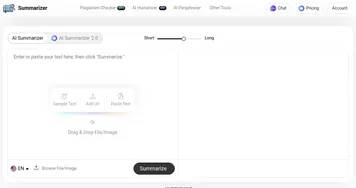
An AI article summarizer reads the full text of a page or paper, identifies the main claims and supporting points, and rewrites them into a short set of key takeaways. Most let you paste a link, upload a PDF, or summarize the page you are on. The result is the article's core argument stripped of filler.
What's the difference between summarizing an article and a book?
Article summarization handles shorter, single-topic pieces like web pages and papers, so the tool can read the whole thing at once and pull out a tight set of points. Book summarization deals with long-form works, breaking them down by chapter or theme. The longer the source, the more a summary compresses, so expect a book recap to lose more detail.
Are AI article summaries accurate?
They are usually faithful to the main points but can miss nuance, caveats, or a key qualifier buried in the text. A summary is a compression, so some meaning is always lost. For casual reading the gist is fine, but for research or anything you will cite, read the original passage before relying on a summarized claim.
Can AI summarize a research paper or PDF?
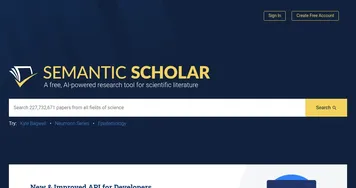
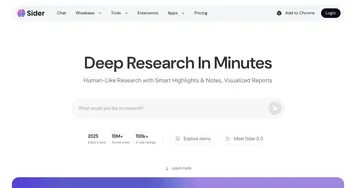
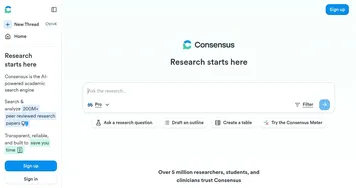
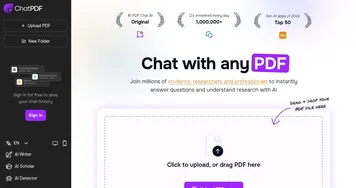
Yes, and several tools are built specifically for it. Paper-focused readers like SciSpace and SciSpace-style tools can pull out the methodology, results, and conclusions, and explain dense jargon in plainer language. Upload the PDF or paste a link, and you get a structured overview that helps you decide whether the full paper is worth your time.
Are AI article summarization tools free?
Many offer a free tier that covers a set number of summaries or shorter pages, with paid plans for heavy use, longer documents, and extras like saved highlights. Browser extensions often let you summarize the current page for free. If you summarize constantly or work with long PDFs, a paid plan usually pays off.