Best AI Person Generation Tools

34 toolsRanked by traffic

AI person generators create realistic images of people who don't exist. Instead of editing your own photo, they invent entirely synthetic humans, full faces, bodies, poses, and scenes, from a prompt or a set of traits. Tools like Generated Photos, Artbreeder, Lexica Aperture, and PixAI.Art can produce a believable stranger on demand, often letting you tune age, ethnicity, expression, and clothing.

Designers, game studios, and marketers use synthetic people for mockups, stock-style imagery, and characters, avoiding model releases and privacy worries that come with real photos. The appeal is a face you fully own the rights to. Keep two things in mind: full bodies and hands are still the hardest part for these models to render cleanly, and a realistic fake person should never be passed off as a real, identifiable individual, which invites both legal and ethical trouble.


OurDream.ai
OurDream.ai - icon
OurDream.ai
Creates personalized AI companions for chat, voice, and media generation
PixAI.Art
PixAI.Art - icon
PixAI.Art
Anime AI image generator, available on the web and as a mobile app
Lexica Aperture
Lexica Aperture - icon
Lexica Aperture
An AI model from Lexica that generates photorealistic images from text descriptions.
APOB
APOB - icon
APOB
Easily create personalized digital portraits and videos with the help of AI
Artbreeder
Artbreeder - icon
Artbreeder
AI-powered creative tool that empowers users' creativity by making it easier to collaborate and explore
AI Allure
AI Allure - icon
AI Allure
Create personalized AI companions for virtual romance and content generation
Aragon AI
Aragon AI - icon
Aragon AI
An AI service that lets you transform your selfies into AI-generated headshots
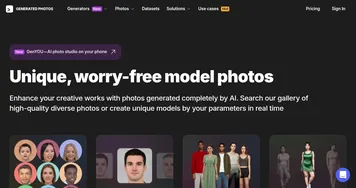
Generated Photos
Generated Photos - icon
Generated Photos
Generates unique, diverse AI-created human faces and full-body photos on demand
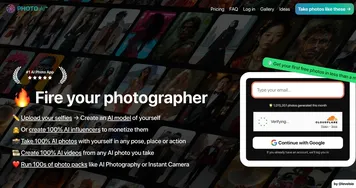
Photo AI
Photo AI - icon
Photo AI
Take stunning photos with the first AI photographer
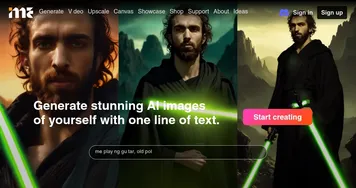
ImagineMe
ImagineMe - icon
ImagineMe
Generate stunning AI images of yourself with one line of text
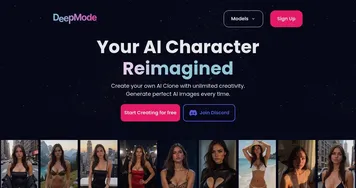
DeepMode
DeepMode - icon
DeepMode
An AI-driven platform that enables users to create images and characters
PortraitArt
PortraitArt - icon
PortraitArt
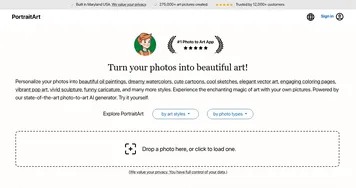
Transforms photos into artistic styles like oil paintings, cartoons, sketches using AI
Botika
Botika - icon
Botika
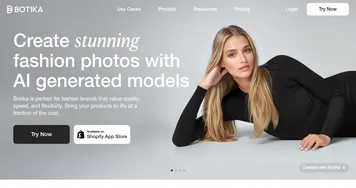
Using artificial intelligence to create fancy fashion photos with AI-generated models
Astria
Astria - icon
Astria
The AI tool that lets you create custom, unique images and videos
InstaHeadshots
InstaHeadshots - icon
InstaHeadshots
An AI-driven platform that transforms user-uploaded photos into professional-quality headshots

Frequently Asked Questions

What is an AI person generator?
An AI person generator creates images of people who don't actually exist. From a prompt or chosen traits, it builds a fully synthetic human with an invented face, body, and setting. Designers and marketers use these fictional people for mockups, stock-style visuals, and characters without needing a real model or a photo release.
Are AI-generated people real?
No, AI-generated people are entirely fictional. The model assembles a new face and body from patterns learned across many real photos, but the result is not any one actual person. Because they look convincing, these images should be labeled or used responsibly so viewers aren't misled into thinking a real individual is involved.
Can I use AI-generated people commercially?
Often yes, and that is a major reason people use them, since a synthetic face avoids the model releases and privacy issues real photos carry. Still, check each tool's license for commercial terms and resolution limits. Some platforms charge for full rights, and you remain responsible for not implying a fake person is real.
How is person generation different from a headshot generator?
A headshot generator turns your real selfies into a professional portrait of you. A person generator invents a brand-new human who does not exist, including the body and scene, not just a face. One is about polishing a real identity, while the other is about creating a fictional one from scratch.