Frequently Asked Questions
Can an AI act as a doctor?
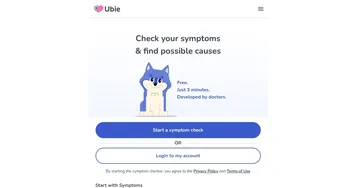
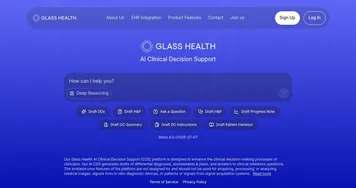
No, an AI cannot act as a doctor. It can answer health questions, explain symptoms in plain language, and point you toward likely possibilities, but it cannot examine you, order tests, prescribe, or take legal responsibility for your care. Treat its output as background information, then see a real physician for anything that matters.
What do AI scribes do for doctors?
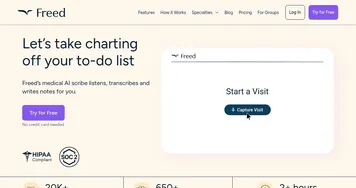
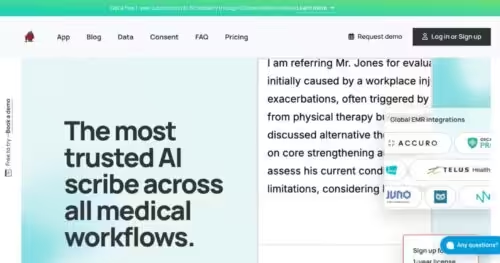
AI scribes listen to a patient visit and turn the conversation into a structured clinical note in real time. This lets the doctor focus on the patient instead of typing, then review and edit the draft afterward. The physician still owns the final note, since the AI can mishear or misinterpret details.
Is it safe to ask an AI doctor for medical advice?
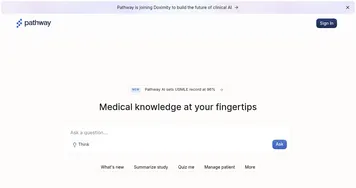
Asking an AI doctor for general information is reasonable, but acting on it as medical advice is not safe. These tools can be confidently wrong, miss serious conditions, and do not know your full history. Use them to prepare questions and understand options, then confirm anything important with a qualified clinician.
Are AI doctor tools accurate?
AI doctor tools are improving but still inconsistent, and their accuracy depends on the case and the data behind them. They handle common, well-documented questions better than rare or complex ones, where mistakes are more likely. Because errors can be serious in medicine, their suggestions should always be verified by a human professional.
Do doctors actually use AI tools?
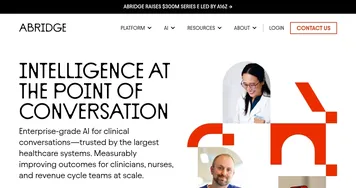
Yes, many doctors now use AI tools, most commonly ambient scribes that draft notes during appointments. Adoption is growing because the time savings on paperwork are real and the clinician stays in control. These tools assist with documentation and reference, while diagnosis and treatment decisions remain firmly with the physician.