Frequently Asked Questions
What is the best AI text-to-speech tool?
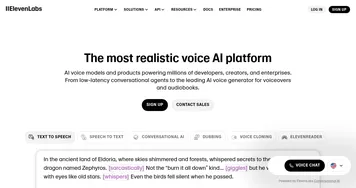
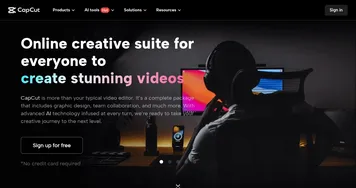
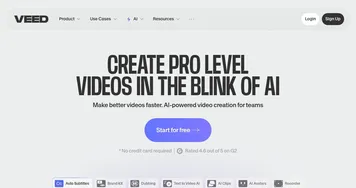
ElevenLabs is widely considered the most natural-sounding text-to-speech tool, with expressive voices and strong multilingual support. Speechify is a favorite for reading articles and documents aloud, while CapCut and VEED are handy when you want spoken narration built into your video edit. Most people try a few free tiers first.
Are AI text-to-speech tools free?
Most AI text-to-speech tools offer a free tier with a monthly character limit and a smaller voice selection. Paid plans, often starting around five to twenty dollars a month, unlock more characters, premium voices, faster generation, and the commercial license you need to use the audio in published videos or products.
How does AI text-to-speech work?
AI text-to-speech works by running your text through a neural model trained on recorded human speech. The model predicts the sound, rhythm, and intonation of each word, then generates an audio waveform that plays it back. Modern engines also read punctuation and context so the delivery sounds natural rather than robotic.
What's the difference between text-to-speech and voice generation?
Text-to-speech is the core feature of typing text and getting spoken audio back, usually from a ready-made voice. Voice generation is the broader idea of creating the synthetic voices themselves, including building and customizing original voices. In practice the tools overlap heavily, and most text-to-speech engines also let you generate new voices.
Can AI text-to-speech sound like a real human?
The best AI text-to-speech voices now sound convincingly human for most listeners, with realistic breathing, emphasis, and emotion. Short clips are nearly indistinguishable from a recording. Longer scripts can still slip on unusual names or odd phrasing, so creators often tweak pronunciation or split text into smaller chunks for the cleanest result.