Frequently Asked Questions
What is the best AI app to learn a language?
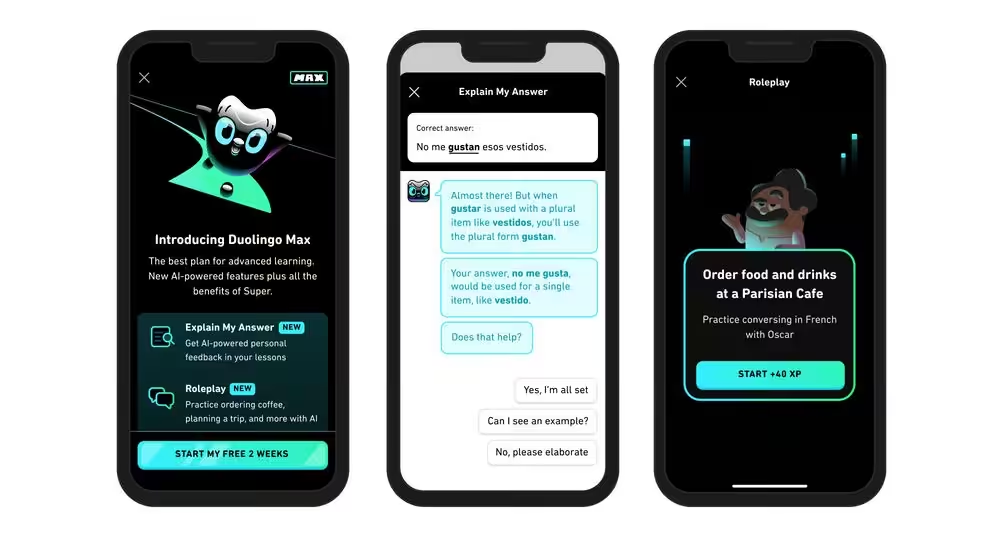
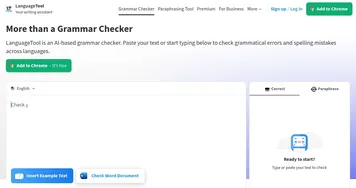
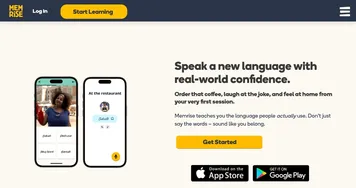
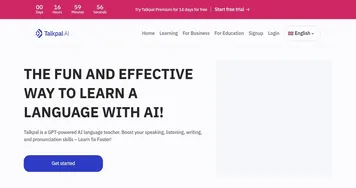
Duolingo Max is the most popular for structured daily lessons and now adds AI conversation practice, while Memrise focuses on real-world phrases and native speaker clips. For grammar polish, LanguageTool gives detailed corrections. The best app depends on your level and goal, so many learners combine a lesson app with an AI chat partner for speaking.
Can AI help me practice speaking a language?
Yes, AI language tools now offer conversation partners you can speak or type to, and they reply naturally while correcting your mistakes. This lets you rehearse real dialogue at your own pace without the nerves of a live person. It's not a full substitute for human conversation, but it's a low-pressure way to build confidence and fluency.
Can you become fluent using only an AI app?
AI apps can take you a long way in vocabulary, grammar, and reading, but full fluency usually needs real conversation and exposure beyond any single app. The tools are excellent for daily practice and structure, especially early on. Most fluent learners pair an app with movies, podcasts, and time spent actually talking with native speakers.
Is language learning different from a translation tool?
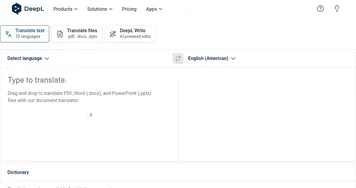
Yes, a translation tool converts text for you instantly so you never have to understand the language yourself. A language learning tool teaches you the language through practice so you can eventually read, write, and speak it on your own. Translators solve a one-time task; learning apps build a skill you keep.
Are AI language learning apps free?
Most AI language learning apps have a generous free tier with daily lessons, then charge for extras like unlimited practice, offline access, and AI conversation features. Free plans are enough to make real progress as a beginner. Paid tiers, often around ten dollars a month, mainly remove limits and add the smarter speaking tools.