
Best AI Music Generation Tools
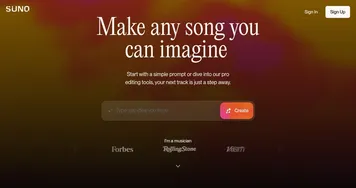
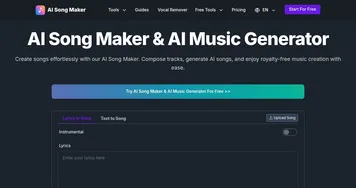
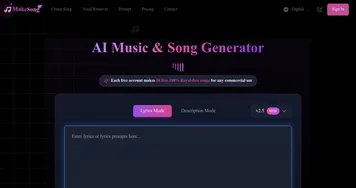
AI music generation tools create original music from a short text prompt, producing a full track in the genre, mood, and length you ask for. This is the broad "make music with AI" bucket, covering everything from finished vocal songs to background instrumentals. Popular options include Suno, Udio, BandLab SongStarter, and the multi-tool platform Renderforest.
Creators reach for these to score a video, sketch a song idea, or fill a project with custom music instead of stock loops. If you want something more specific, the narrower types help: pick a song generator for a full vocal track, an instrumental generator for music without singing, or a lyrics tool for just the words. Quality still varies a lot between tools and between attempts, so plan to generate several takes, and read the license before you publish anything commercially.













What can you do with AI tools for music?
These tools let you do many things related to music, such as:-
Generate new compositions
Yes, these tools (like BandLab SongStarter) will make a musician from you. Or, if you already know how to make your tunes, you can use them to drastically speed things up and come up with many tunes in a short period of time. -
Create background music
You may not want to be a composer but could need background music for a presentation. Here too, these tools can help you out - again try BandLab SongStarter. "Ask" them to generate instrumental music for your videos, podcasts, games, and other multimedia content. -
Create music for relaxation
That background music may be fine-tuned to include tunes that are fit for relaxation and meditation. You can think of these tunes as background music for your yoga classes. -
Generate musical elements
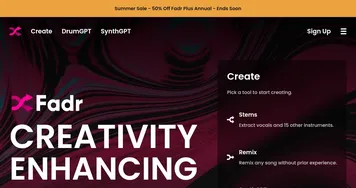
Or you could use them to generate parts of the song, such as melodies, harmonies, and rhythms. This is especially useful for existing composers who need these bits on a daily basis. You can, for instance, separate voice and sound with Vocal Remover. -
Create personalized playlists
There are many existing services that will "learn" your musical taste to generate playlists you'll like. Modern AI tools bring this to a whole new level as they better "understand" the strings and cords. As a result, you can get a playlist you'll love. -
Create music for ads
Finally, you can use these tools to make money by creating advertisements and jingles. Some AI music tools offer licenses that allow you to use the generated music for commercial purposes without any additional fees.