Best AI Game Generation Tools
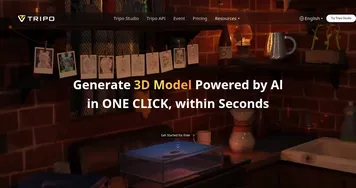
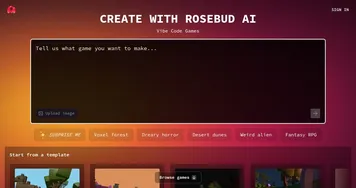
AI game generation tools create games and game content from a prompt, producing playable worlds, 3D assets, characters, and even whole game makers driven by AI. You describe a setting or an object and the tool generates it: a textured 3D model, an interactive story, or a small game you can play right away. AI Dungeon spins up endless text adventures, while Meshy and Tripo3D turn text or images into 3D models ready for a game engine.
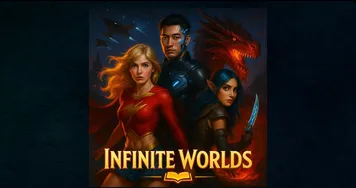
Indie developers, hobbyists, and writers use these to prototype faster and to skip the slowest parts of asset creation. Tools like Infinite Worlds generate explorable environments, and app builders such as Lovable can stand up simple browser games from a description. The honest limit is polish: AI gets you a working prototype quickly, but shippable games still need hand-tuning, real gameplay design, and testing. Generated 3D assets often need cleanup before they perform well in an engine.