Best AI Health & Wellness Tools

55 toolsRanked by traffic

AI health and wellness tools support medical work and personal wellbeing, ranging from clinical assistants that handle paperwork to apps that help you manage everyday stress and habits. On the professional side, ambient scribes like AWS HealthScribe and Freed turn patient conversations into notes, while on the personal side, companions like Replika and planners like Goblin Tools help with mood, focus, and daily routines.

Clinicians use the professional tools to cut documentation time, while individuals turn to wellness apps for reflection, motivation, and structure. When you're choosing one, the most important things are privacy and accuracy. Health data is sensitive, so check how it's stored and shared. And remember these are support tools, not doctors: they can inform and organize, but they don't diagnose or treat, and anything medical should go through a qualified professional.
AWS HealthScribe
AWS HealthScribe - icon
AWS HealthScribe
Automatically create clinical notes from patient-clinician conversations using generative AI
Freed
Freed - icon
Freed
An AI-powered medical scribing tool for transcribing and writing medical notes
Nomi.ai
Nomi.ai - icon
Nomi.ai
Create AI companions with advanced emotional intelligence, memory, and creativity
Presentation Intelligence
Presentation Intelligence - icon
Presentation Intelligence
Creates professional presentations using AI with one-click generation
Goblin Tools
Goblin Tools - icon
Goblin Tools
An AI-powered platform designed to simplify complex tasks
Rayyan
Rayyan - icon
Rayyan
An AI-powered platform that makes literature reviews more efficient and less time-consuming
Pi
Pi - icon
Pi
An AI-powered personal assistant designed to engage users in empathetic conversations
Replika
Replika - icon
Replika
An AI companion who is eager to learn and would love to see the world through your eyes
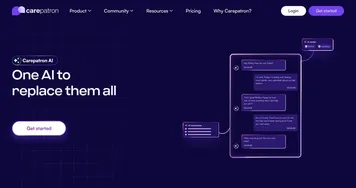
Carepatron AI
Carepatron AI - icon
Carepatron AI
A state-of-the-art solution that simplifies medical document management
Hume
Hume - icon
Hume
Developing artificial intelligence systems that prioritize human emotional well-being
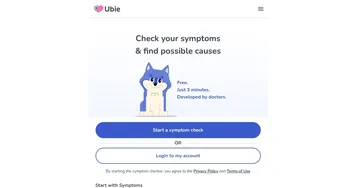
Ubie
Ubie - icon
Ubie
An AI tool that lets you input your symptoms & find possible causes, developed by doctors
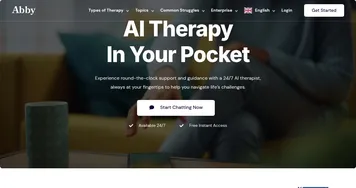
Abby
Abby - icon
Abby
An AI-powered mental health companion designed to provide users with a supportive space
Anima AI
Anima AI - icon
Anima AI
AI companion that cares: have a chat, roleplay, improve your communication
Beducated AI Sex Coach
Beducated AI Sex Coach - icon
Beducated AI Sex Coach
Using AI to provide personal advice from the largest sex-ed library on the planet
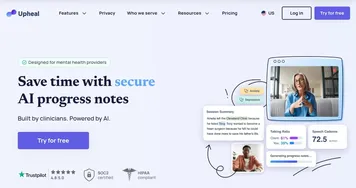
Upheal
Upheal - icon
Upheal
Automates therapy notes and analytics for mental health professionals

Frequently Asked Questions

Can AI give medical advice?
AI can share general health information but should not be treated as medical advice. It can explain symptoms, summarize conditions, and help you prepare questions for a doctor, yet it doesn't know your full history and can be wrong. For diagnosis, treatment, or anything urgent, always consult a licensed healthcare professional.

What is an AI medical scribe?
An AI medical scribe listens to a patient visit and automatically drafts the clinical notes, so the clinician spends less time typing. Tools like AWS HealthScribe and Freed transcribe the conversation, structure it into a documentation format, and let the provider review and edit before it enters the record, cutting paperwork and burnout.
Are AI health tools private and secure?
Privacy varies a lot across AI health tools, so it's worth checking before you share anything sensitive. Clinical tools built for providers often follow strict standards like HIPAA, while consumer wellness apps may have looser policies and could use your data. Read how each tool stores, shares, and protects information before trusting it with health details.
Can AI help with mental health?
AI can support mental wellbeing without replacing real care. Companion and journaling apps offer a space to reflect, practice coping strategies, and feel less alone at any hour, which some people find genuinely helpful. They are not therapists, though, and for serious distress or crisis you should reach out to a professional or a hotline.
Are AI wellness apps worth it?
AI wellness apps can be worth it if you want gentle structure for habits, mood tracking, or focus, and several offer useful free tiers. Their value depends on consistent use and realistic expectations, since they motivate and organize rather than cure. Try a free version first and treat any health insight as a prompt to check with a professional.