Frequently Asked Questions
What is the best AI text generator?
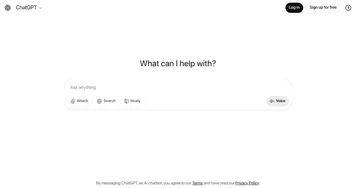
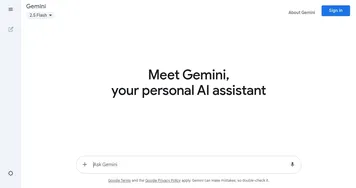
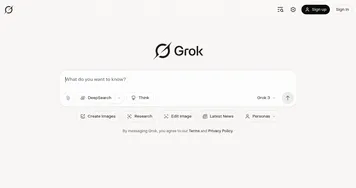
The best AI text generator depends on the content. ChatGPT is the most versatile across formats, Claude writes longer pieces with a more measured voice, and Gemini draws on Google's live search for timely topics. Grok leans casual and current. Trying the same prompt in a few tools quickly reveals which voice fits.
How does AI text generation work?
AI text generation works by predicting the next word over and over based on your prompt and everything written so far. The models learned these patterns from huge amounts of text. Because they generate one piece at a time from probability, the output reads fluently but reflects patterns in the training data, not verified facts.
Is AI-generated text detectable?
AI-generated text can sometimes be flagged by detection tools, but those detectors are unreliable and produce false positives. Generated writing often reads smooth and a little generic, which trips both software and sharp human readers. Editing for your own voice, adding specifics, and varying sentence rhythm make the text read more naturally.
Can AI text generators write factual content?
AI text generators can write factual content, but they also fabricate details that sound plausible, a problem known as hallucination. They predict likely wording rather than look up truth, so dates, names, and statistics need checking. For anything factual, verify the specifics against a reliable source before you publish or share it.
How do I write good prompts for text generation?
Good prompts for text generation spell out the audience, format, tone, and length, and include an example when you can. Vague requests yield generic results, so add context: who it's for, what it should achieve, and what to avoid. Iterating in a few short rounds usually beats writing one perfect prompt up front.