Best AI Knowledge Base Tools

110 toolsRanked by traffic

AI knowledge base tools let you ask questions against a trusted body of knowledge, an encyclopedia, a curated reference, or a documentation set, and get answers drawn from that source rather than the open web. The category spans cited research engines like Perplexity, reference chatbots like Britannica Chatbot, and enterprise helpers like Amazon Q that answer from vetted, attributable material.

Researchers, students, and support teams lean on these when they need answers they can actually trace back to a source. Some, like Talk to Books, point you straight at the passage that backs a claim. When you're choosing one, the question that matters most is what it knows from: a public encyclopedia, your company's docs, or a private library you upload. Check whether it cites, because a knowledge base is only as good as the source behind it.

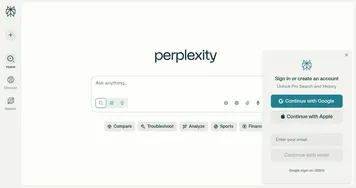
Perplexity
Perplexity - icon
Perplexity
Delivers cited AI answers from web searches instantly
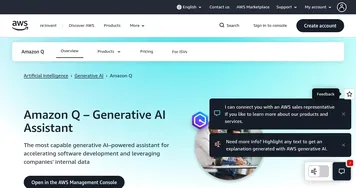
Amazon Q
Amazon Q - icon
Amazon Q
Your generative AI–powered assistant designed for work that can be tailored to your business
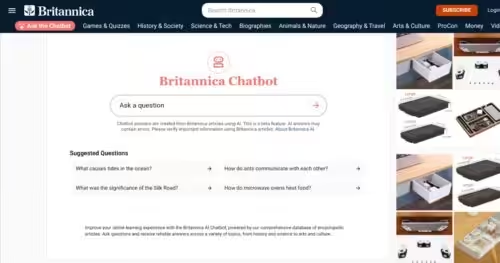
Britannica Chatbot
Britannica Chatbot - icon
Britannica Chatbot
A digital librarian drawing from over 130,000 meticulously fact-checked articles
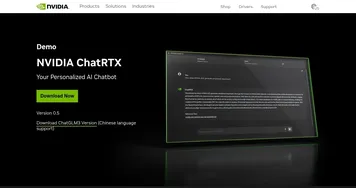
ChatRTX
ChatRTX - icon
ChatRTX
Allows users to create a personalized LLM chatbot by using their own data on their own computer
Talk to Books
Talk to Books - icon
Talk to Books
Google's experiment which allows users to interact with books in an entirely new way
Notion AI
Notion AI - icon
Notion AI
Streamlines work with AI-powered note-taking, app searches, and workflow automation
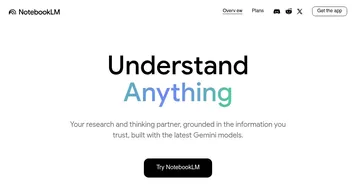
NotebookLM
NotebookLM - icon
NotebookLM
Transforms uploaded documents into interactive AI-powered research assistants
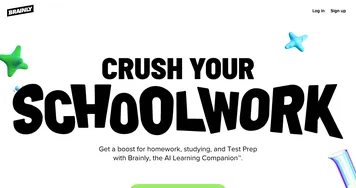
Brainly
Brainly - icon
Brainly
Provides instant homework help and AI-powered tutoring for students
LINER
LINER - icon
LINER
A web-based tool that combines searching and collecting information in a user-friendly interface
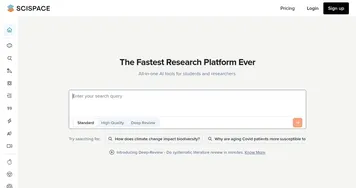
SciSpace
SciSpace - icon
SciSpace
Your AI assistant to discover and understand research papers
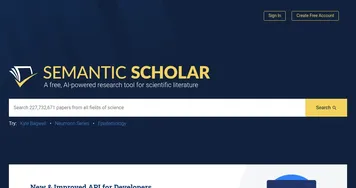
Semantic Scholar
Semantic Scholar - icon
Semantic Scholar
A free, AI-powered tool designed to help researchers navigate scientific literature
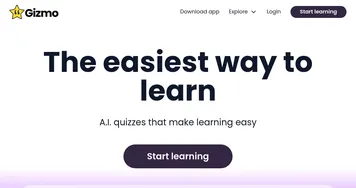
Gizmo AI
Gizmo AI - icon
Gizmo AI
A learning platform designed to enhance educational experiences through AI-powered tools
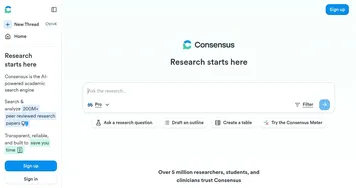
Consensus
Consensus - icon
Consensus
Content intelligence tool that helps content teams grow brands, organic traffic, and revenue
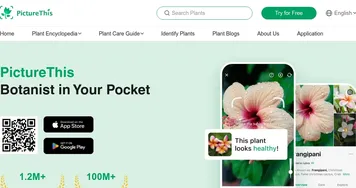
PictureThis
PictureThis - icon
PictureThis
Identifies plants from photos, offering care tips and species info
Glean
Glean - icon
Glean
An AI platform designed to integrate and harness the power of a company's knowledge base

Frequently Asked Questions

What is an AI knowledge base?
An AI knowledge base is a tool that answers your questions from a defined, trusted source instead of guessing from general training data. That source might be an encyclopedia, a curated reference library, or your own documentation. Because the answers come from vetted material, you can usually trace each one back to where it came from.
What's the difference between a knowledge base and an answer engine?
A knowledge base answers from one defined, trusted source you can verify, such as an encyclopedia or a set of docs. An answer engine pulls from the entire open web to respond to any question. The knowledge base trades breadth for reliability: a narrower scope, but answers you can actually trust and trace.
Can I build an AI knowledge base from my own documents?
Yes, many tools let you upload your own files and then ask questions against them. You point the tool at PDFs, manuals, or a documentation folder, and it answers using only that material. This keeps responses grounded in content you control rather than the wider internet, which matters for accuracy and privacy.
Do AI knowledge base tools cite their sources?
The good ones do, and it is worth insisting on. Tools like Perplexity and Britannica Chatbot link to the exact passage behind each answer so you can confirm it yourself. A knowledge base that gives you confident text with no citation is hard to trust, since you have no way to check the reasoning.
Are AI knowledge base tools accurate?
They are more reliable than open chatbots because the answers come from a fixed, trusted source rather than everything the model absorbed in training. Accuracy still depends on the quality of that source and how well the tool retrieves the right passage. Always read the cited material before acting on anything important.