Frequently Asked Questions
What is the best AI image upscaler?
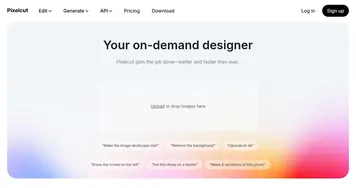
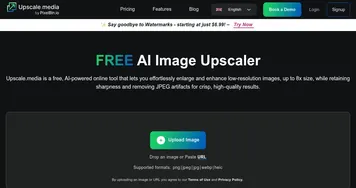
The best AI image upscaler depends on your source. Freepik AI and Pixelcut give strong all-purpose results, Upscale.media is quick for simple enlargements, and Fotor pairs upscaling with editing. For photos and AI art, try a couple on the same image, since each model reconstructs detail differently and the right one depends on what you are enlarging.
How does AI image upscaling work?
AI image upscaling works by predicting the new pixels needed to enlarge a picture instead of simply stretching the existing ones. A model trained on countless images guesses plausible detail for edges, textures, and fine lines as it scales up. That predicted detail is why an AI upscale stays sharp where a normal resize would look soft and blocky.
Can AI increase image resolution without losing quality?
AI can increase resolution while keeping an image looking sharp, which a basic resize cannot do. The model adds believable detail as it enlarges, so a 2x or 4x result holds up better than a stretched version. Quality still depends on the source: a clean original upscales beautifully, while a blurry or noisy one carries those flaws into the larger version.
What is the difference between upscaling and enhancing an image?
Upscaling increases an image's resolution, making it physically larger while keeping it sharp, whereas enhancing improves quality at the existing size by fixing blur, noise, lighting, and color. They often overlap, and many tools do both, but upscaling is specifically about size while enhancing is about clarity. Choose upscaling when you need a bigger file for print or display.
Are AI image upscalers free?
Many AI image upscalers offer a free tier that handles a few images at 2x, often with a watermark or a resolution cap. Paid plans, usually a few dollars a month, unlock 4x and higher scaling, full resolution output, and batch processing. The free version is enough to judge whether a tool's reconstruction quality suits your images.