Best AI Task Management Tools

79 toolsRanked by traffic

AI task management tools help you organize what needs doing: they turn notes and requests into structured tasks, set priorities, and keep projects and team work moving. The category spans full project platforms like Asana AI and ClickUp Brain, flexible workspaces like Notion AI, and lighter helpers like Goblin Tools that break big jobs into small steps.

People use these to run to-do lists, kanban boards, and sprints without losing track of what comes next. The AI part usually means auto-generating subtasks, summarizing a project's status, or suggesting what to work on. When you're choosing one, weigh whether you need a heavyweight platform your whole team lives in or a simple personal task tracker. The big platforms cost more and take setup; the lighter tools start free and you can be running in minutes.

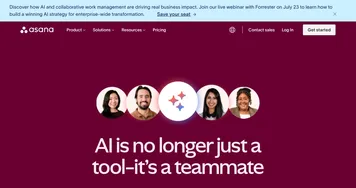
Asana AI
Asana AI - icon
Asana AI
An AI helper built into the Asana platform to make managing projects and tasks easier
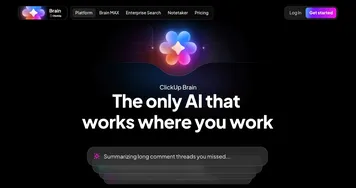
ClickUp Brain
ClickUp Brain - icon
ClickUp Brain
Automates workflows with contextual AI for tasks, meetings, and content creation
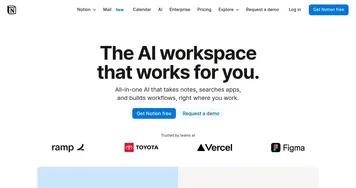
Notion AI
Notion AI - icon
Notion AI
Streamlines work with AI-powered note-taking, app searches, and workflow automation
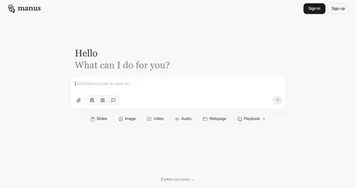
Manus
Manus - icon
Manus
An AI agent designed to handle complex tasks all by itself
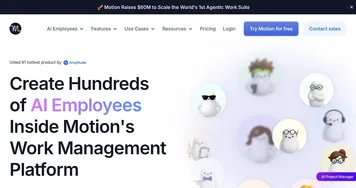
Motion
Motion - icon
Motion
AI tool that intelligently plans your day, schedules meetings, and creates to-do lists
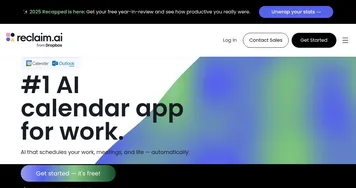
Reclaim.ai
Reclaim.ai - icon
Reclaim.ai
An AI-driven advanced scheduling tool to help you manage and optimize your calendar
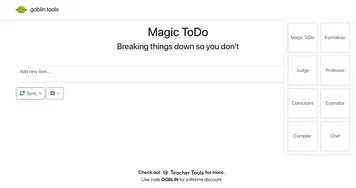
Goblin Tools
Goblin Tools - icon
Goblin Tools
An AI-powered platform designed to simplify complex tasks
Craft
Craft - icon
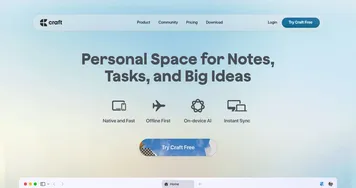
Craft
Transforms notes into polished docs with AI and tasks
Taskade
Taskade - icon
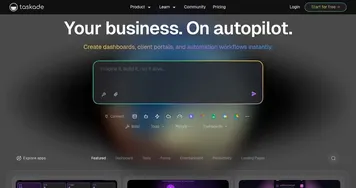
Taskade
Generate workflows, task lists, mind maps, and chat with an AI in every project
Latenode
Latenode - icon
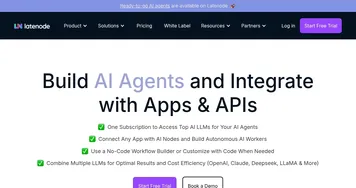
Latenode
Streamlines business processes with no-code and low-code automation
Process AI
Process AI - icon
Process AI
A tool that transforms your tedious manual processes into powerful, AI-driven workflows in just a few clicks.
Huntr
Huntr - icon
Huntr
Streamlines the job application process by creating resumes, cover letters, and more
bardeen
bardeen - icon
bardeen
Multi-use tool for businesses, assisting them in meetings, marketing, recruiting, and more
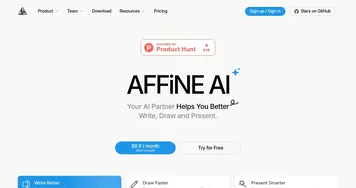
AFFiNE AI
AFFiNE AI - icon
AFFiNE AI
An advanced platform that uses AI to enable users to seamlessly write, draw, and present
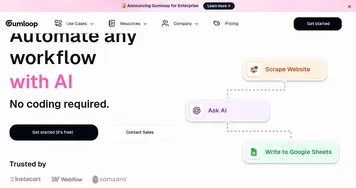
Gumloop
Gumloop - icon
Gumloop
A no-code platform that empowers users to automate workflows using AI

Frequently Asked Questions

What is the best AI task management tool?
The best AI task management tool depends on team size. ClickUp Brain and Asana AI suit teams that need boards, dependencies, and reporting in one place. Notion AI works well for people who want notes and tasks together, and Goblin Tools is great for breaking overwhelming jobs into bite-sized steps on your own.
How does AI help with task management?
AI helps by doing the busywork around your tasks. It can split a vague goal into concrete subtasks, write project summaries from scattered updates, draft task descriptions, and suggest what to tackle next based on deadlines and priority. The point is to spend less time organizing work and more time actually doing it.
Are AI task management tools free?
Most have a free tier that covers personal use or a small team, with paid plans unlocking AI features, automations, and larger workspaces. Free plans often cap the number of AI actions per month. Lightweight tools tend to stay free longer, while full project platforms charge per user once you scale up.
What's the difference between task management and project management tools?
Task management focuses on individual to-dos: capturing them, prioritizing them, and checking them off. Project management adds the bigger picture, like timelines, dependencies, team roles, and reporting across many tasks. Many AI tools do both, so the real question is how much structure you need beyond a simple list.
Can AI task tools work with my existing apps?
Most connect to the tools you already use, like calendars, email, Slack, and document apps, so tasks can sync in both directions. Platforms like Asana and ClickUp have deep integration libraries, while simpler tools may offer just a handful. Check that your key apps are supported before committing a whole team.