Best AI Product Management Tools

21 toolsRanked by traffic

AI product management tools help product teams decide what to build, using AI to analyze user feedback, track product usage, and shape roadmaps. The category covers behavioral analytics like Amplitude AI, feedback boards like Canny, and research tools like Sprig and UserTesting AI that surface what users actually want.

Product managers and founders use these to find patterns in messy feedback, see how features get used, and prioritize a roadmap with evidence instead of opinion. The real win is synthesis: AI reads thousands of survey responses, support tickets, and session recordings, then clusters the themes a person would take weeks to find. The caution is that AI summarizes what users say and do, not why it matters. Treat its themes as a sharp starting point for product decisions, not the decision itself.
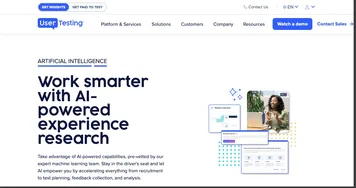

UserTesting AI
UserTesting AI - icon
UserTesting AI
An online platform that leverages AI to streamline user experience research
Amplitude AI
Amplitude AI - icon
Amplitude AI
A suite of AI-powered features that help users navigate every aspect of building digital products
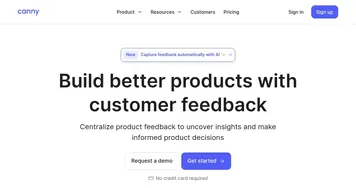
Canny
Canny - icon
Canny
Centralizes customer feedback to prioritize product features
Blueprint
Blueprint - icon
Blueprint
A smart tool that handles therapy notes for mental health professionals
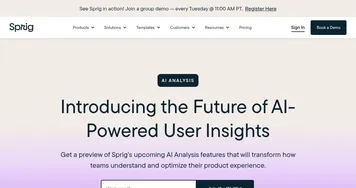
Sprig
Sprig - icon
Sprig
An AI-powered product experience platform to optimize user engagement, retention, and satisfaction
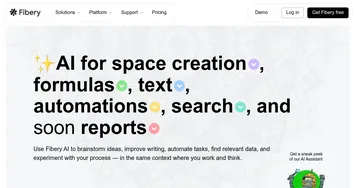
Fibery
Fibery - icon
Fibery
An online tool to brainstorm ideas, improve writing, automate tasks, and experiment
Prelaunch.com
Prelaunch.com - icon
Prelaunch.com
An AI-powered platform that helps creators test their product ideas before launching
airfocus
airfocus - icon
airfocus
Bringing the power of AI to the airfocus product management platform
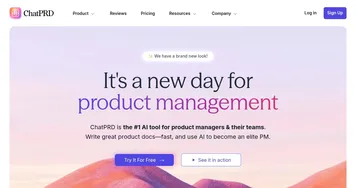
ChatPRD
ChatPRD - icon
ChatPRD
Streamlines product requirements drafting and coaches product managers to excel
Ludo
Ludo - icon
Ludo
Leading AI-powered ideation, research, and creative platform for game studios
Thor AI
Thor AI - icon
Thor AI
Streamlines project management with AI-powered automation in GitHub
Huly
Huly - icon
Huly
An AI-powered platform that combines project management, communication, and collaboration tools
June AI
June AI - icon
June AI
Answer complex product questions using your favorite language - English, powered by GPT
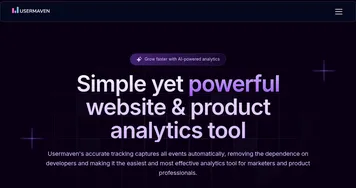
Usermaven
Usermaven - icon
Usermaven
Tracks user behavior for actionable insights with privacy-first analytics
Sourceful
Sourceful - icon
Sourceful
Generates AI-powered packaging concepts refined by experts for print-ready results

Frequently Asked Questions

What is the best AI product management tool?
The best AI product management tool depends on what you need to learn. Amplitude AI suits teams analyzing how features get used, Canny organizes and prioritizes user feature requests, and Sprig and UserTesting AI run research to uncover why users behave as they do. The right pick matches the product question you are trying to answer.
What is the difference between product and project management tools?
Product management tools help decide what to build, using user feedback, analytics, and roadmaps to set direction. Project management tools organize the tasks and timelines to actually deliver it. Product management asks what is worth building and why; project management handles how and when it ships. Most teams run both, one steering and one executing.
How does AI analyze user feedback?
AI analyzes user feedback by reading large volumes of survey responses, reviews, support tickets, and interviews, then grouping them into themes and ranking the most common requests. It detects sentiment and surfaces patterns a person would take weeks to spot manually. Product teams use those clusters to prioritize what to fix or build next with evidence.
Can AI help prioritize a product roadmap?
Yes, AI helps prioritize a roadmap by weighing user demand, usage data, and feedback volume to highlight which features matter most. It scores and clusters requests so the loudest few voices do not crowd out broader needs. The output guides the decision, but product managers still apply strategy and judgment that data alone cannot supply.