
Best AI Translation Tools
AI translation tools convert written text from one language to another, handling documents, messages, web pages, and everyday writing while keeping the meaning and tone intact. The category spans dedicated translators like DeepL, writing assistants that translate as a side feature like QuillBot and Monica, and chat models like Qwen Chat that translate on request.
People reach for these to read foreign articles, send emails in another language, or localize a document without hiring a translator. When you're choosing one, accuracy on nuance matters more than raw language count: some tools nail idioms and formal tone, while others translate literally and miss the intent. For anything important, a quick read-through by a native speaker still beats trusting the output blind.











What are the use cases of AI tools for translation?
AI tools for translation can be useful in a variety of contexts. Some ways you can use them and the types of content you can create include:-
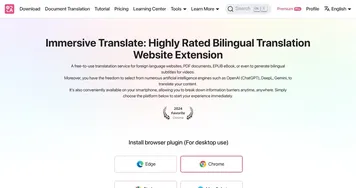
Website localization
If you have a website or an online business, you can use AI translation tools to make your website content available in multiple languages. This will make it accessible to a larger audience, thus helping you increase your customer base. -
Subtitling and dubbing
Another popular use case for AI translation tools includes the creation of subtitles or dubbing scripts for movies, TV shows, and online videos. Again, this can expand your audience, making your content accessible to non-native speakers. Good tool for this is vidby. -
Document translation
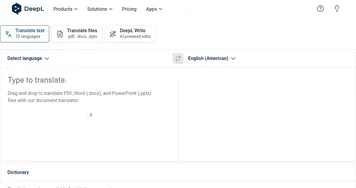
Probably the most common use case of AI translation tools, it allows you to quickly and accurately translate all kinds of documents and reports into different languages. You can try OpenL, DeepL and TranscribeMe for this. -
Real-time translation
With modern AI tools like DeepL and TranscribeMe becoming more powerful, they could be used for real-time translation during meetings, conferences, or any other events and settings where participants speak different languages. -
Content creation
Beyond translation, some of these tools have many of the capabilities content-creation tools have, and so - they can also be used to create new content in a variety of languages. However, if you need to create content, you should visit our section with best AI tools for writing. -
Customer support
Finally, we've seen companies using AI translation tools to offer customer support in a multitude of languages. Instead of hiring more people, they hire technology to provide a similar level of support to the global customer base.