Best AI Speech-to-Text Tools
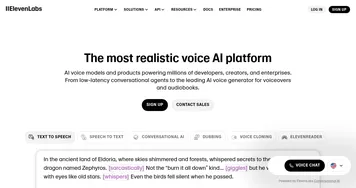
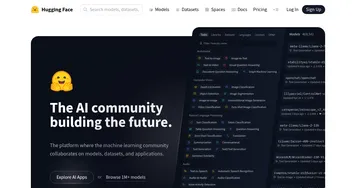
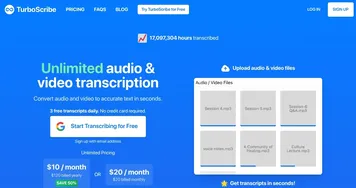
Speech-to-text is the technology that converts spoken words into written text, whether from a live microphone or a recorded file. It powers real-time captions, dictation, voice search, and the transcription features inside countless apps, using machine-learning models trained on huge amounts of speech. The category spans developer APIs and ready-made apps, from ElevenLabs and Hugging Face models to finished tools like TurboScribe.
Developers wire speech-to-text into their own products through an API, while everyone else uses it through finished apps for captioning, note-taking, and accessibility. When you are comparing options, the numbers that matter are word error rate, language coverage, and whether it runs in real time or only on uploaded files. A specialized tool like AWS HealthScribe shows the trend toward domain-tuned models that understand the vocabulary of a specific field far better than a general engine.