Frequently Asked Questions
What is the best AI tool for business management?
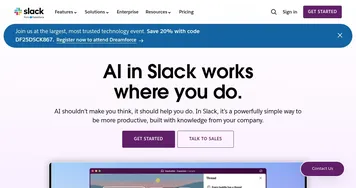
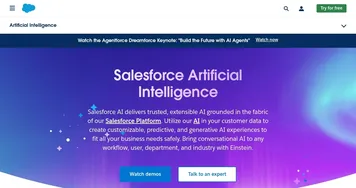
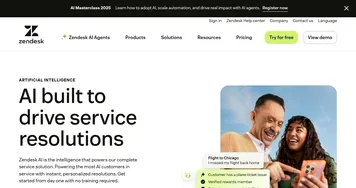
The best AI business tool is usually the one built into software you already use. Salesforce Einstein and Zoho's Zia add AI to their CRMs, Zendesk AI handles support tickets, and Slack AI summarizes channels and threads. Rather than adopting a separate platform, most companies turn on the AI features inside their existing tools first.
How does AI help with customer support?
AI support tools draft replies, suggest help articles, summarize long ticket histories, and resolve common questions automatically before a human steps in. They work from your existing knowledge base and past tickets, so answers stay consistent with your brand. The biggest wins are faster first responses and freeing your team to handle the harder cases.
Can AI handle CRM and sales tasks?
Yes, AI is now a standard layer in modern CRMs. It scores leads, drafts follow-up emails, logs call notes, and forecasts which deals are likely to close based on your pipeline data. The goal is less manual data entry for sales reps and clearer priorities, so they spend more time selling and less time updating records.
Are AI business tools worth the cost for small teams?
For small teams, AI business tools pay off when they remove repetitive work like answering routine tickets or chasing leads. The math depends on volume: if you handle enough support or sales activity that an hour saved per person matters, the per-seat fee is easy to justify. Lighter teams often do fine with cheaper general assistants instead.
How do AI business management tools keep data secure?
Enterprise AI business tools typically run inside the same security boundary as the platform they're part of, so your CRM or help-desk data stays governed by existing permissions and compliance settings. Reputable vendors also commit not to train shared models on your private records. Always confirm the data-handling terms and admin controls before connecting customer information.