Best AI Voice Generation & Editing Tools

381 toolsRanked by traffic

AI voice generation and editing tools turn written text into natural-sounding speech and convert recorded speech back into text. They produce realistic voiceovers in many languages and accents, clone a specific voice from a short sample, and transcribe meetings or videos automatically. The category includes text-to-speech and voice-cloning engines led by ElevenLabs, transcription tools like TurboScribe and AWS HealthScribe, and meeting assistants such as Zoom AI Companion.

Content creators, podcasters, accessibility users, and businesses use these to narrate videos, build voice agents, dub content into new languages, or get searchable transcripts of calls. When you're choosing, separate the two directions: text-to-speech is judged on how human and expressive the voice sounds, while speech-to-text is judged on transcription accuracy and speaker labeling. If you plan to clone a real person's voice, get their consent. Most reputable tools require it, and misuse carries legal risk.
ElevenLabs
ElevenLabs - icon
ElevenLabs
Generates lifelike, expressive AI voices for diverse applications
AWS HealthScribe
AWS HealthScribe - icon
AWS HealthScribe
Automatically create clinical notes from patient-clinician conversations using generative AI
Vimeo AI
Vimeo AI - icon
Vimeo AI
Creates polished videos from single recordings using AI edits and scripts
CapCut Creative Suite
CapCut Creative Suite - icon
CapCut Creative Suite
Online creative suite for everyone to create stunning images and videos
Zoom AI Companion
Zoom AI Companion - icon
Zoom AI Companion
Get high-quality results when drafting emails and chat messages, summarizing meetings and chat threads
Hugging Face
Hugging Face - icon
Hugging Face
Hosts and collaborates on machine learning models, datasets, and apps
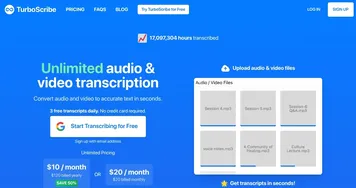
TurboScribe
TurboScribe - icon
TurboScribe
Transcribes audio and video files to accurate text instantly
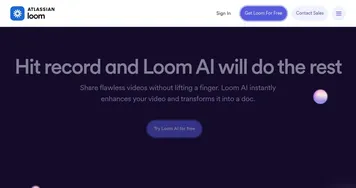
Loom AI
Loom AI - icon
Loom AI
Record better video messages with automatic titles, summaries, share messages, and more
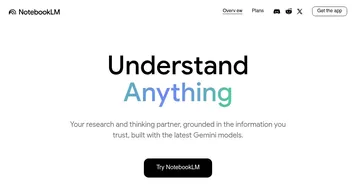
NotebookLM
NotebookLM - icon
NotebookLM
Transforms uploaded documents into interactive AI-powered research assistants
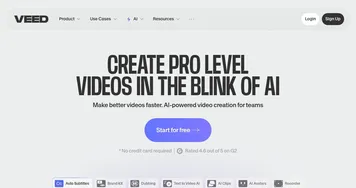
VEED
VEED - icon
VEED
Creates pro-level videos with AI-powered editing and collaboration tools
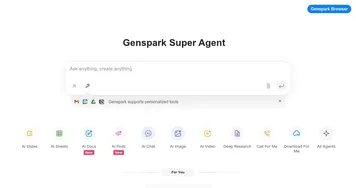
Genspark
Genspark - icon
Genspark
An innovative AI-powered search engine designed to improve how we access information online
Clipchamp
Clipchamp - icon
Clipchamp
Edit videos effortlessly with AI-powered tools and templates
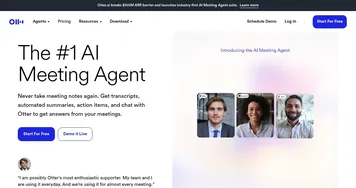
Otter.ai
Otter.ai - icon
Otter.ai
An AI meeting assistant that writes notes, captures slides and more
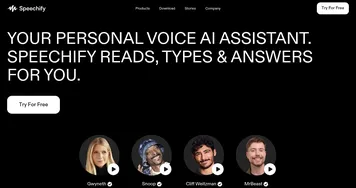
Speechify
Speechify - icon
Speechify
Transforms text into natural-sounding speech for effortless listening

What can you do with AI tools for voice?

AI tools for voice have a range of applications and can be used for things like:
  • Virtual assistants

    You can create custom voices for virtual assistants or chatbots. As a result, virtual assistants sound more natural and engaging and can be further customized to match the brand or personality you want to portray.
  • Audiobooks

    Creating audiobooks used to involve paying someone to actually read the book. That is no longer necessarily the case, with many companies using AI tools for voice to more efficiently and cheaply create audiobooks from the written text.
  • Voiceovers

    There are AI voice tools that are used to create voiceovers for videos, advertisements, and/or presentations. This can be particularly useful if you need a voiceover in a different language or accent.
  • Language learning apps

    AI voice tools are frequently used in language learning apps. Developers of these apps use them to help users practice their listening and speaking skills.
  • Video games

    These days, characters in games have their own voices, which in many cases, has been generated by AI. As a result, today's games are more immersive and engaging for the players.
  • Interactive Voice Response (IVR) systems

    Customer hotlines were among the first to adopt modern AI tools for voice as they let them automate welcome greetings while making them sound more pleasant for the callers.
  • Text-to-Speech applications

    You have probably seen websites allowing users to listen to articles, which can come in very handy for people with visual impairments. Also, the same capability lets users listen to written text while driving, for instance.
  • Singing

    Some advanced AI voice tools can generate singing voices and are, in that sense, used for creating music and jingles without paying a human singer.
  • Voice cloning

    With enough data, powerful AI voice tools can create a synthetic voice that resembles a specific person's voice. This has been used to create content in the voice of a celebrity or a public figure but has also been misused by scammers - so watch out.
If you want to give AI tools for voice a try, you're in the right spot. Check out the services on this page and find the one that will work for you.

Frequently Asked Questions

What is the best AI voice generator?
The best AI voice generator depends on the task. ElevenLabs is widely regarded as the leader for realistic, expressive text-to-speech and voice cloning across many languages. For transcription rather than synthesis, dedicated speech-to-text tools are the right pick. Most people choose based on voice quality, language support, and whether they need cloning.
Can AI clone a person's voice?
Yes, AI voice cloning can recreate a specific voice from a short audio sample, sometimes just a minute or two. The clone can then read any text in that voice. This is powerful for narration and dubbing, but cloning someone without their permission is unethical and often illegal, so reputable tools require explicit consent.
How accurate is AI transcription?
AI transcription is highly accurate on clear audio with minimal background noise, often above ninety-five percent on a single clear speaker. Accuracy drops with crosstalk, heavy accents, technical jargon, or poor recording quality. Most tools also label speakers and add timestamps, so a quick human review usually catches the few remaining errors.
Can AI voices speak different languages and accents?
Yes, leading voice tools support dozens of languages and a range of regional accents. You can generate the same script in multiple languages or dub a video so it sounds natural to local audiences. Quality is strongest in widely spoken languages and improving steadily for less common ones and authentic-sounding accents.
Are AI voice tools free to use?
Most offer a free tier with a monthly character or minute limit, then charge for more. Paid plans typically run from a few dollars to around thirty a month and add more usage, premium voices, voice cloning, and commercial rights. Transcription tools often price by audio hours rather than a flat subscription.